
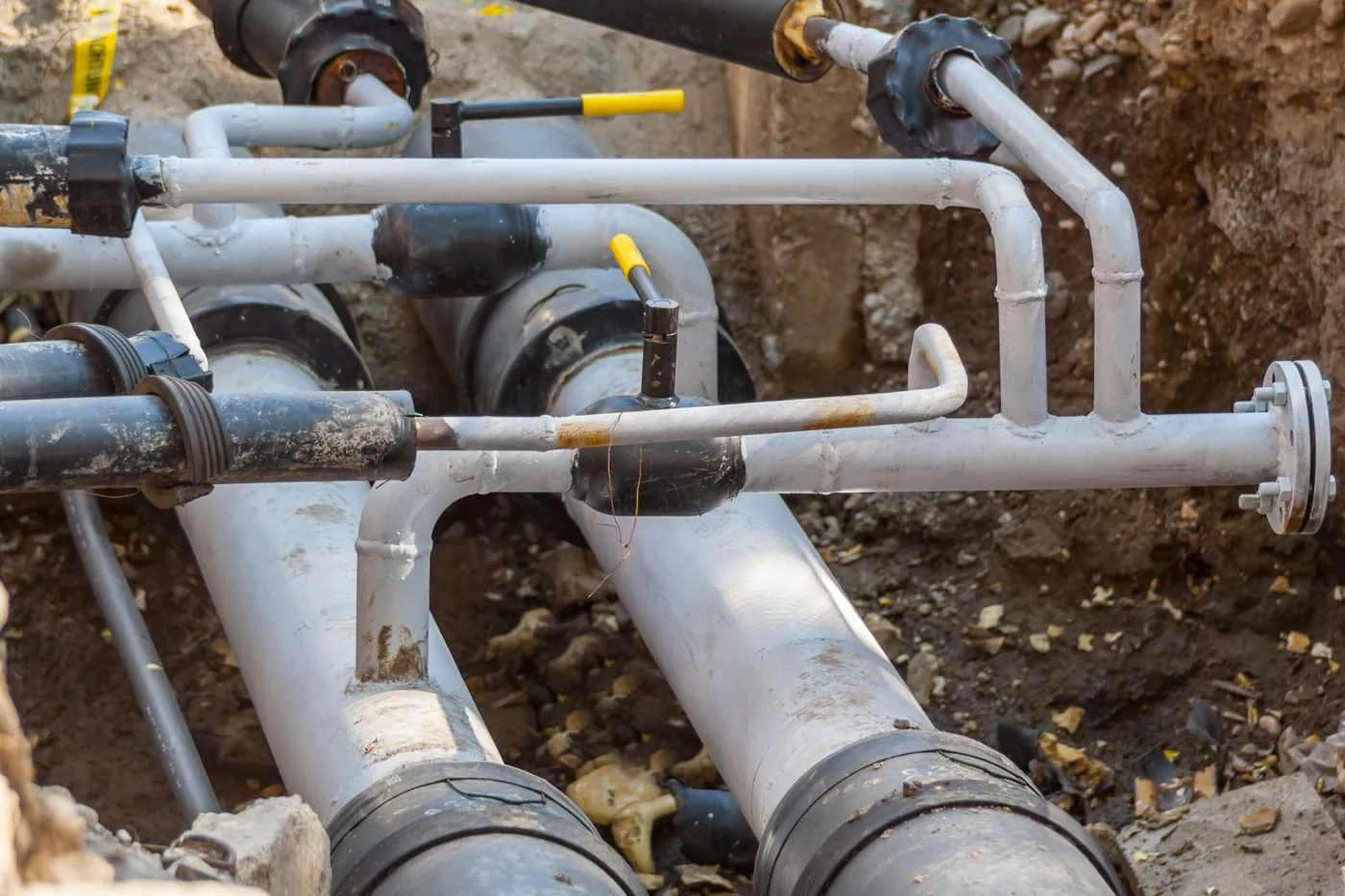
Gurgling drains can be easy to dismiss until the shower makes noise when someone flushes a toilet.
When one fixture reacts to another, record the relationship instead of repeatedly running water to see what happens.
For a Katy homeowner, the important details are which drain makes the sound, what was operating at that moment, and whether water also moves or rises.
This guide helps you describe that pattern while avoiding a larger mess.
A sound is a clue, not a diagnosis
Drainage depends on a path for wastewater and suitable venting.
Kohler lists sounds in other drains and bubbling among possible waste-stack or vent symptoms.
The sound alone cannot tell you exactly where a problem lies.
Do not conclude that a roof vent needs cleaning because a drain gurgles.
A restriction or another plumbing condition may need investigation.
Climbing onto the roof is not part of a safe homeowner check.
A useful description might be: “The hall shower gurgles when the nearby toilet flushes.”
That is much more precise than “All the pipes are blocked,” unless all the fixtures are actually affected.
Stop testing if water rises or backs up
If wastewater rises into several fixtures, or you do not know which drains share the problem, stop household water use and request help.
Pause laundry and dishwasher use too.
Do not keep flushing toilets or running appliances to confirm the problem. Each additional use may add more water.
Keep people and pets away from backed-up wastewater. Avoid contact with the water and any nearby electrical equipment.
If the area cannot be approached safely, stay clear while arranging assistance.
A sound without a backup is still worth reporting when it repeats.
The response may differ, but the absence of visible water does not establish that nothing is wrong.
Map the trigger and the response
Write two short labels: the fixture that was being used and the fixture that reacted.
They may be in the same bathroom or in different parts of the house.
Describe locations in ordinary household terms.
| What was in use? | What reacted? | What was observed? |
|---|---|---|
| Toilet | Nearby shower drain | Sound only, or visible water movement |
| Washing machine | Another low drain | Noise, slow drainage, or backup |
| Kitchen sink | Second sink basin | Bubbles or rising water |
These rows are examples to help organize a report, not expected behavior for your home.
Use only observations that actually happened.
Do not recreate them if there is a risk of overflowing.
The WSSC Water customer guide also distinguishes isolated fixture problems from wider drainage patterns.
Its local service contacts are for its own area; Katy residents should contact their own provider when a public sewer concern is suspected.
Include the order in which symptoms appeared
A drain that became slow before it started gurgling tells a different story from a sudden sound after nearby plumbing work.
Mention that sequence even if you do not know why it matters.
Note any recent service, renovation, or repeated blockage. If a plumber has inspected the line before, keep the report available.
Earlier findings can provide context without proving that today's symptom has the same cause.
When several fixtures react, request drain service and explain the scope at the start of the call.
Mention any active backup before describing the sound.
Leave vents, cleanouts, and drain chemicals alone
Do not climb onto a roof, remove a cleanout cap, or insert equipment into a pipe to chase the sound.
A cap can conceal wastewater, and roof access creates its own hazard. These tasks belong with suitable professional assessment.
Do not add drain cleaner to a toilet or a fixture that may be connected to a backup.
Tell the service team if any product has already been used.
Keep the product name with the rest of your notes.
Avoid treating the sound as a reason to change toilet parts.
The source of a gurgle may be outside the fixture where you hear it.
An inspection should identify the relevant part of the drainage system.
Know when to involve the local utility
If sewage appears outside, several nearby homes report a problem, or the service team suspects a public sewer issue, contact the utility that serves your address.
Use the provider information on your own account or an official local source.
Do not assume every Katy-area address has the same water and sewer provider.
A general article cannot establish who owns a specific section of pipe or which organization should inspect it.
Keep your private plumbing service contact and utility report information together if both are involved.
That makes it easier to share what each party has observed without turning an early possibility into a confirmed finding.
Report a sound separately from visible water movement
If you hear a gurgle but cannot see the drain, say that.
Do not add bubbling or rising water to the description unless you actually observed it.
A sound recorded through a wall may not identify the fixture nearest you as its source.
When another person saw the event, ask them to describe it in their own words.
Keep the household activity and the reaction paired in the note.
If one person was doing laundry while another heard the shower, that timing is useful even without a recording.
You can send the brief account when arranging the visit.
There is no need to leave the problem unreported while waiting to capture it on video.
Ask for an explanation tied to the pattern
After inspection, ask how the finding explains why one fixture affected another.
If additional investigation is suggested, ask which question it is intended to answer and what part of the system remains unseen.
Katy Plumbing provides sewer line services when the findings point to a sewer concern.
Gurgling alone should not be treated as proof that a line needs replacement.
Save the findings and compare normal use with the original symptom after service.
If the sound or backup returns, report the same trigger-and-response pair.
That continuity helps the next conversation.
For repeated gurgling drains in Katy, contact Katy Plumbing.
Share the fixture map, and stop using affected plumbing if water is backing up.