
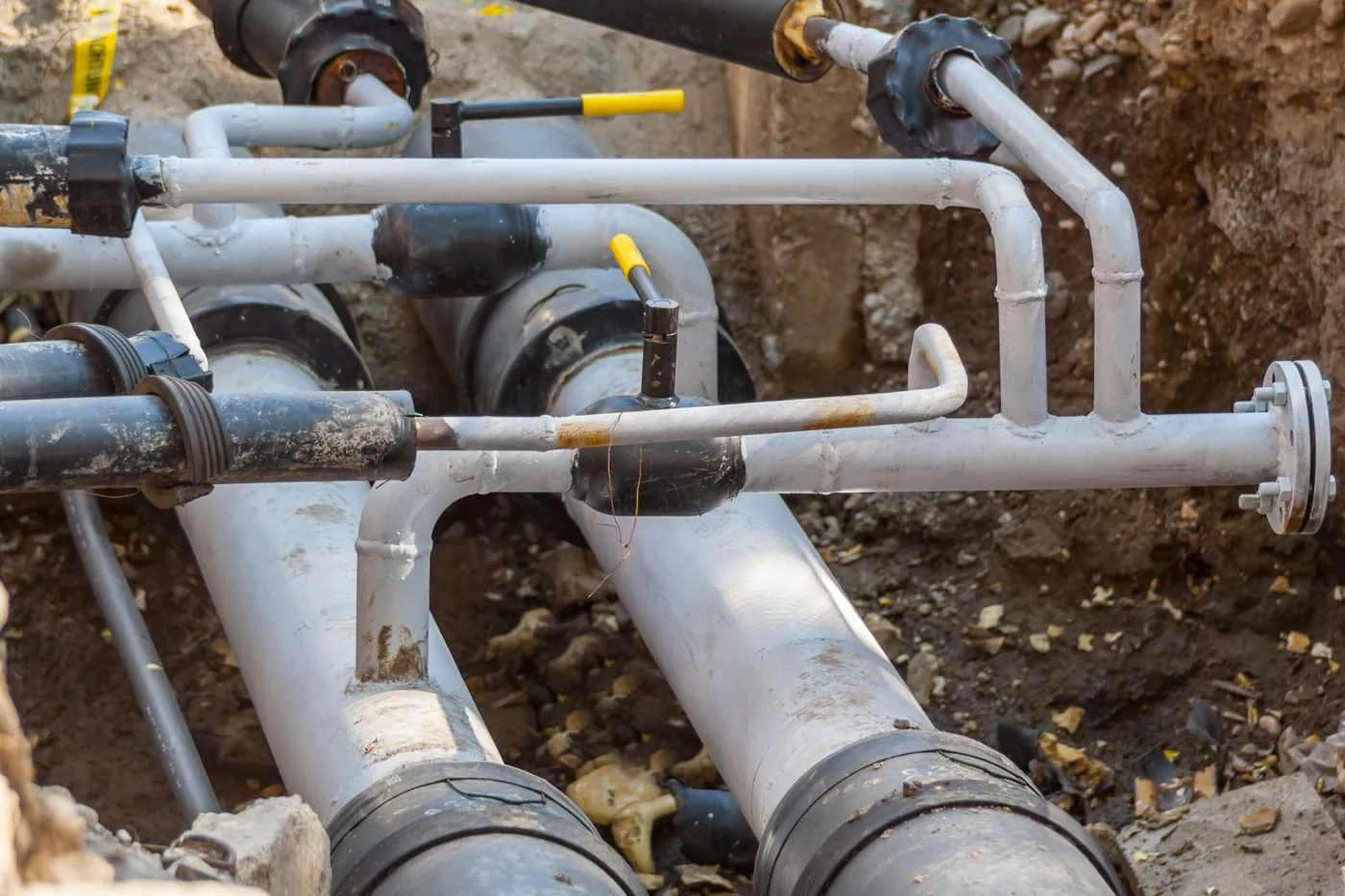
A sewer camera inspection is most useful when you understand what the footage shows and what it leaves unanswered.
A dark patch on a screen should come with an explanation, not a diagnosis you are expected to accept without context.
Katy homeowners can prepare a few focused questions before the visit.
The goal is to connect visible findings to the problem at home and keep a clear record of any proposed next step.
Start with the question the inspection should answer
Explain why the inspection is being considered. Is a drain repeatedly backing up? Has an earlier blockage returned?
Are you trying to understand a finding from a previous visit?
The purpose helps define what a useful result looks like.
Different tools perform different roles. RIDGID describes cameras, recording systems, and locating equipment as parts of an inspection toolkit.
A camera view and an above-ground location are related information, but one does not automatically supply the other.
Ask the technician which parts of the process apply to your visit.
Do not assume that every inspection includes the same recording, locating, or reporting steps.
Ask where the camera entered and how far it reached
The starting point matters when discussing a finding. Ask which access point was used and what direction the camera traveled.
A simple written description can make the recording easier to understand later.
Also ask where the inspection ended. Was the intended section reached, or did something limit access?
A clear limit is useful information.
It should not be confused with a finding that the unseen section is in good condition.
- Where did the inspection begin?
- Which section of pipe was visible?
- Where did visibility or access stop?
- Was a specific concern located above ground?
- What remains unconfirmed after the inspection?
You do not need to operate the equipment or open a cleanout yourself.
Ask these questions while the professional handles the inspection safely.
Connect each finding to an identifiable part of the footage
If the technician points out a concern, ask them to show it in the recording or a still image.
Request a plain-language explanation of what is visible and why it matters for the problem you reported.
A useful discussion separates direct observation from interpretation. “This material is visible at this point” is an observation.
“This may explain the repeated blockage” is an interpretation that should be supported by the full inspection.
Ask whether the image is clear enough to support the conclusion.
Water, debris, or limited access may affect what can be seen.
If a view is uncertain, it is better to name that uncertainty than treat a blurry frame as a final answer.
Katy Plumbing provides sewer camera inspection services.
Share the history of the concern before the visit so the findings can be discussed in that context.
Do not confuse one visible issue with the whole line
A recording can show a particular section while leaving another section unseen.
Ask how much of the relevant drainage path was examined before drawing a conclusion about the full line.
Likewise, a visible concern does not automatically establish its history.
Ask whether the inspection confirms a condition, suggests a possible cause, or needs another step to answer the question.
For example, a homeowner may have repeated backups at a kitchen drain while the camera enters at a different access point.
The useful question is how the inspected section relates to that fixture. The connection should be explained rather than assumed.
Request a record you can understand later
Ask what records can be provided from the visit.
Depending on the inspection, that might be footage, still images, written findings, or an explanation of a marked location.
Confirm the available format before the technician leaves.
Keep the property address, inspection date, access point, and stated limitations with the record.
A video saved without those details may be hard to interpret months later.
If you receive a recording, open it while the visit details are fresh.
Confirm that the file plays and that you can identify the portions discussed.
Ask for clarification if the written findings use unfamiliar terms.
Use a findings table to organize the conversation
You can take notes without trying to become a pipe inspector.
A short table helps separate the evidence from the recommendation.
| Question | What to record |
|---|---|
| What is visible? | The technician's description and a frame or recording reference. |
| Where is it? | The access point, indicated position, and whether locating was performed. |
| What does it explain? | The connection to the reported drainage symptom. |
| What is still unknown? | Unseen sections or findings needing another check. |
Do not fill the table with assumptions while watching the screen. Ask the technician to explain each entry.
The record should preserve their findings rather than your guess about a shape or shadow.
Understand the purpose of any next step
If more work is recommended, ask which finding it addresses and what the expected next check will establish.
That is a practical question about scope, not a request to choose a repair from a video yourself.
When findings point to a pipe concern, sewer line service may be part of the discussion.
When the view is limited, another inspection step may be needed before conclusions can be firm.
Avoid asking a neighbor to identify a fault from one screenshot.
They may not have the access information, full recording, or symptom history.
Share the complete record with a qualified professional if another assessment is needed.
If a finding is marked outdoors, ask how the mark relates to the inspection record.
Do not dig or disturb the area yourself.
Keep photographs of any marks with the written description before weather or yard work removes the context.
Keep the inspection useful after the visit
Store the findings with earlier drain service records.
If the original symptom returns, provide the prior report rather than starting with only a memory of what the camera showed.
For a sewer camera inspection in Katy, contact Katy Plumbing.
A clear inspection question, an understandable record, and a stated limit on what was seen can make the next decision much easier.