
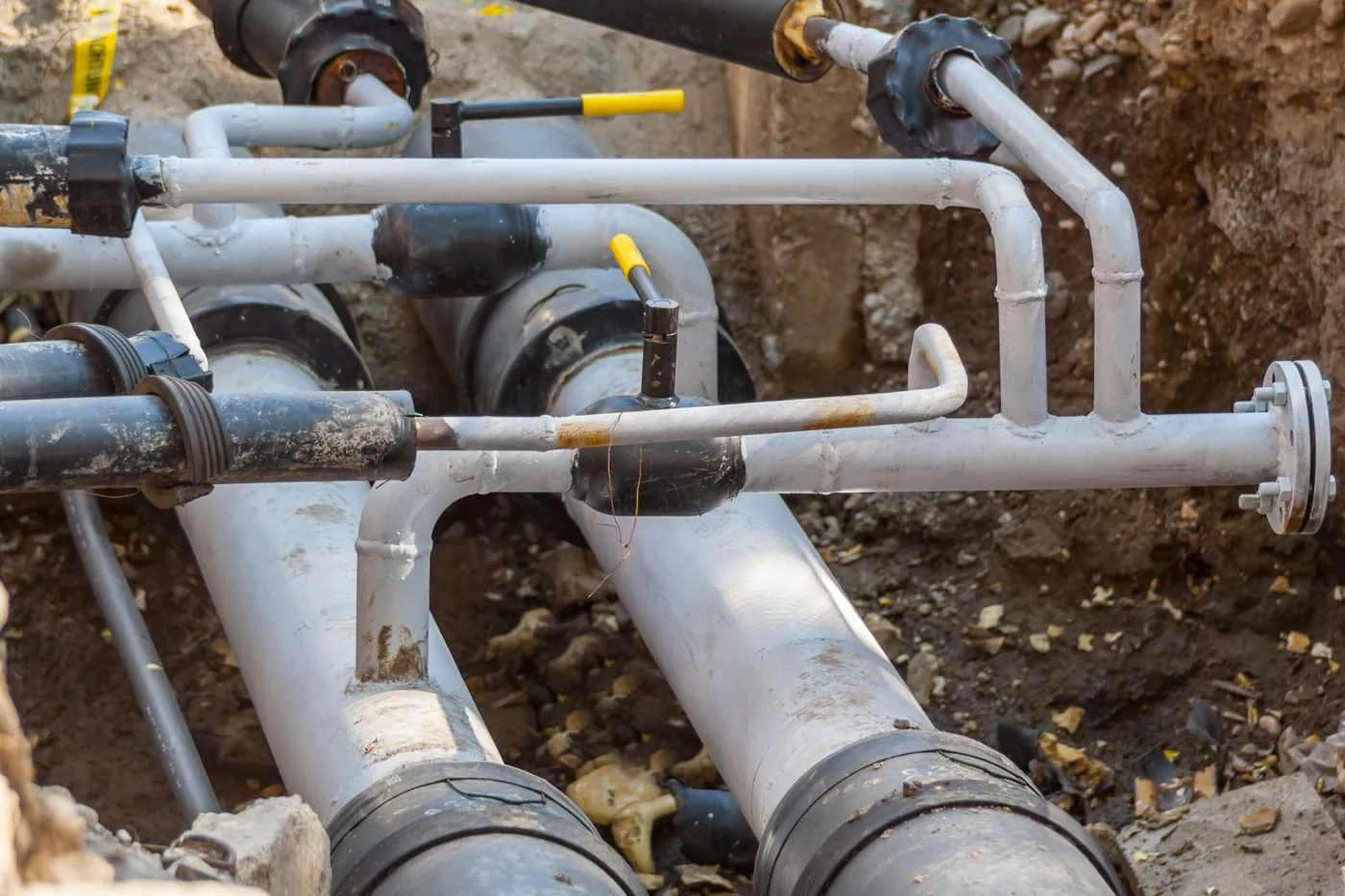
A water meter leak check can help when you suspect a leak but cannot see where water is going.
The key is creating a true no-use period, then recording what the meter shows without disturbing utility equipment.
For a Katy homeowner, a changing reading is a clue to investigate.
It does not identify a broken pipe, prove a slab leak, or tell you which repair is needed.
A careful record makes the next conversation much more useful.
What a water meter leak check can tell you
A water meter leak check compares readings while all expected water use is paused.
If the reading advances, water has passed through that meter.
First rule out appliances and scheduled systems; unexplained use then deserves further investigation.
The reading alone cannot locate a leak or name its cause.
The EPA recommends comparing meter readings across two hours without water use.
That gives you a simple starting point, provided you can safely read the meter and understand its display.
You do not need to calculate a pipe size or convert the reading into a daily total.
Keep the original units and photographs.
Your utility or plumber can interpret the display with you if the numbers are unclear.
Make a no-use plan before reading
Choose a time when everyone in the home can pause water use.
Tell them why a quick hand wash or toilet flush would interrupt the check.
A note on the kitchen counter can help prevent an accidental restart.
Look beyond the faucets. A washer between cycle steps may still fill later.
A dishwasher that seems quiet may be waiting for its next stage.
Some equipment follows a timer without anyone turning a handle.
- Finish laundry and dishwashing before you begin.
- Check the irrigation schedule and postpone a cycle through its normal controls.
- Note automatic pool filling or other installed water-using equipment.
- Account for an ice maker or a water treatment cycle.
- Let everyone know when normal water use can resume.
Do not unplug unfamiliar equipment or change service settings. If you cannot rule out an automatic use, write that down.
The result may still help, but it should not be described as a fully controlled check.
Read the meter without working on it
Meter locations and displays differ. Check your water provider's instructions for the meter serving your address.
A shared meter, separate irrigation meter, or remote usage display can change how you interpret the result.
Only use a meter you can reach safely.
Stop if access involves a heavy cover, standing water, damaged wiring, pests, or an unclear public access boundary.
Contact the utility for reading assistance instead of reaching into an unsafe box.
Do not turn the utility curb stop or remove a lock or seal.
This is a reading exercise, not a water shutoff procedure.
Avoid touching cables, transmitters, fittings, or anything attached to the meter.
Photograph the full display and note the time.
If a digital screen changes between views, record the view's label with its numbers.
A single close-up number without a label can be harder to interpret later.
Record the start and finish the same way
Use this short worksheet for your water meter leak check.
The aim is a clear comparison, not a perfect technical report.
- Start time and full reading, including the displayed units.
- Equipment that was paused or may still use water.
- Any unexpected water use during the interval.
- Finish time and reading from the same display view.
- Visible leaks or unusual sounds noticed during the check.
If someone uses water partway through, record the interruption. You can start a new interval when practical.
Do not subtract a guessed amount for that use and present the remainder as a confirmed leak.
Save both photographs together.
If the meter is hard to read, retain the original images instead of writing down uncertain digits.
A clear photo of the model or display legend may also help your provider explain it.
What to do with a changing reading
Start with the known water users on your list.
An automatic cycle that began during the check may explain the change.
If you cannot explain it, look for visible dampness at accessible fixtures without opening walls or moving heavy appliances.
Do not jump from meter movement to a slab leak diagnosis.
A toilet, outdoor faucet, appliance connection, or hidden line may need attention. The meter cannot distinguish between those locations.
Katy Plumbing's leak detection service is a relevant next step when water use remains unexplained.
Share the readings and the conditions of the check so the investigation starts with a useful record.
If water is actively spreading inside your Katy home, do not wait for the full observation period.
Stop using the affected area and get help.
Stay away from water near electrical equipment or outlets.
A still reading has limits too
A reading that does not change means no change was visible during that observation.
It cannot rule out a leak that appears only during a shower, an appliance cycle, or another specific use.
For example, a stain beneath a sink may return only after dishes are washed.
That symptom still matters even if the water meter leak check is quiet.
Record when the stain returns and avoid repeated testing that wets the cabinet.
Likewise, a usage portal may group readings into time blocks.
A delayed update should not be treated as the same thing as watching the physical meter.
Ask your provider how current the portal data is.
Bring the record to your service call
A useful message sounds like this: the reading changed during a documented no-use period, irrigation was paused, and no one used a fixture.
Add any automatic equipment you could not account for.
If the test was interrupted, say so. That is better evidence than a confident conclusion built on incomplete conditions.
Mention whether you have a shared supply or more than one meter, if known.
For unexplained water use in Katy, contact Katy Plumbing.
Your observations can help guide the next inspection without guessing where the leak begins.